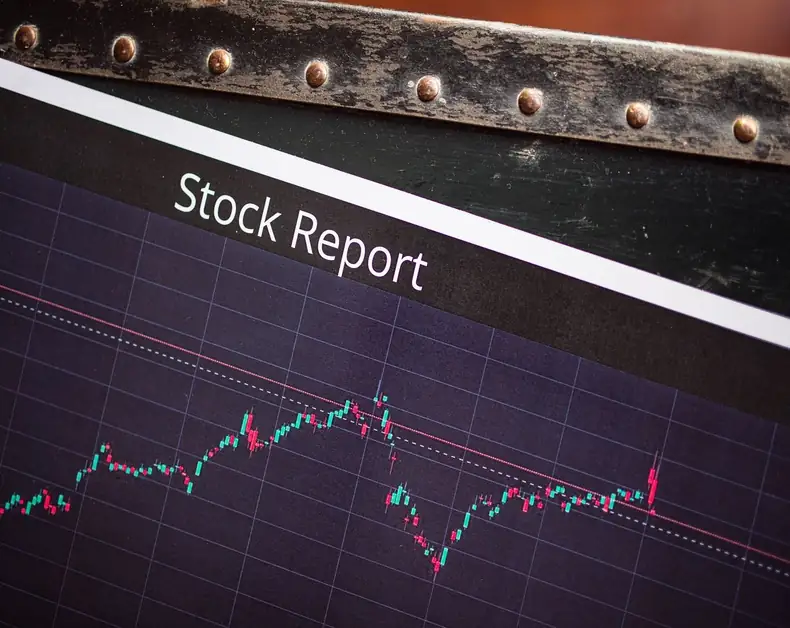
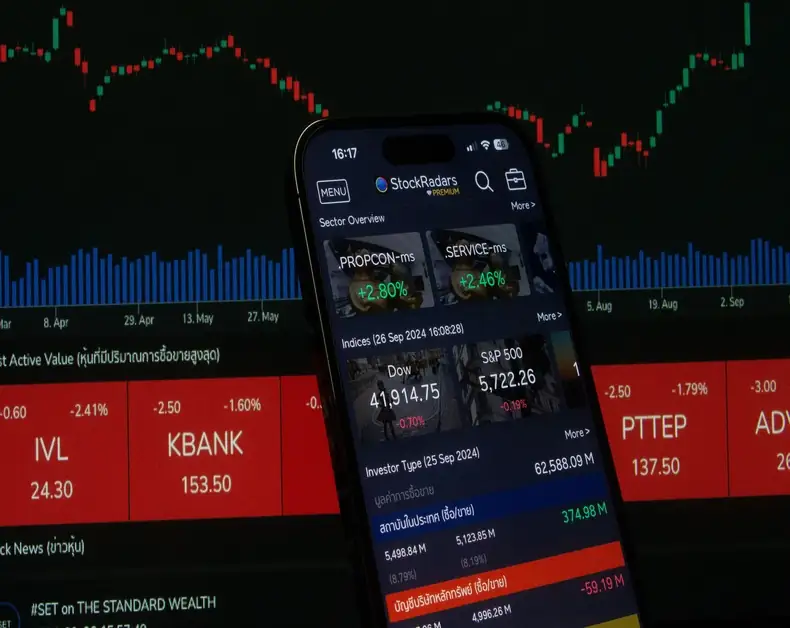
Tech Stocks are attracting significant attention in today’s market. Tech stocks are once again under the spotlight as the September Effect stirs conversations among market enthusiasts. This annual phenomenon, often tied to shifts in market dynamics, has kept many keeping a close watch on AI chip stocks, especially after recent fluctuations. With the historical context of September’s market behaviour, you might find yourself questioning how these trends could impact the tech sector. As we delve into AI chip stocks and broader market trends, it’s essential to understand the forces at play during this time of the year. Meanwhile, small cap stocks remains a key focus for market participants.
The September Effect and Its Impact on tech stocks
Ah, September. It’s that time of year when speculation about the “September Effect” starts circulating in the financial world. It’s an interesting phenomenon where stocks, including tech stocks, tend to perform poorly. Historically, since 1928, the S&P 500 has seen an average drop of 1.1% in September, closing lower about 56% of the time. The Nasdaq Composite, since its 1971 inception, has dipped by an average of 0.9%, despite ending positively 52% of the time. On the other hand, the Dow Jones Industrial Average has experienced an average fall of 1.1% in September since 1897, ending positively just 42% of the time.
Challenges and Opportunities for Semiconductor Stocks
When it comes to semiconductor stocks, the September Effect has been quite noticeable in recent years. In 2023, for instance, the VanEck Semiconductor ETF (SMH) and the iShares Semiconductor ETF (SOXX) both saw declines of around 7%, with Nvidia alone dropping by 10%. However, the following year, both ETFs managed to finish the month without any significant change. Interestingly, last September saw the VanEck Semiconductor ETF rise by 12% and the iShares Semiconductor ETF by 11%. These funds, which include a variety of chip stocks like Nvidia, Intel, and Micron Technology, offer a broader approach to participating in the AI chip sector, avoiding the sharp fluctuations of single stocks.
How tech stocks Fared During the AI Revolution
The AI revolution hasn’t been immune to the September Effect. In 2023, 2024, and 2025, the pattern played out, impacting semiconductor stocks. With funds like the VanEck Semiconductor ETF and the iShares Semiconductor ETF holding major players such as Nvidia and AMD, these periods showed how broader market trends can influence tech stocks.
The Role of Earnings Reports and Market News
While the September Effect is partly driven by market behaviours like fund rebalancing, earnings reports and market news can also shift sentiments. Strong earnings and reducing interest rates can counteract the historical pattern, as was seen in recent years. Hyperscalers and AI advancements continue to drive demand for semiconductor stocks, even when the market hits a rough patch.
Navigating the Stock Watchlist: A Balanced Approach
It’s crucial to remember that September’s historical trends don’t necessarily predict a crash. For those keeping a stock watchlist, it’s about finding a balance between managing risk and seizing opportunities. If you’re interested in tech stocks, particularly in the AI space, ETFs like SMH and SOXX offer a way to engage with the sector while limiting exposure to the volatility of individual stocks.
Conclusion
For further insights into the September Effect and its implications on semiconductor stocks, you can explore more about the September Effect and how it intertwines with the AI chip sector. The small cap stocks market is responding.
In conclusion, the September Effect continues to be a topic of interest for those keen on market trends and stock watchlists, particularly within the realm of AI chip stocks. Understanding small cap stocks and their significance provides a foundation for grasping how market dynamics can shift during this period. Historical trends suggest that September has traditionally been a challenging month for the market, often characterised by heightened volatility.
As the month unfolds, keeping an eye on market news and earnings reports can offer insights into how semiconductor stocks might be influenced. While past patterns provide a lens through which to view potential outcomes, it’s important to remember that the market remains unpredictable. By staying informed, readers can better appreciate the nuances of these trends as they evolve.
What is the September Effect in the context of the stock market?
The September Effect refers to the historical trend where stock markets, including major indices like the S&P 500 and the Dow Jones Industrial Average, tend to perform poorly during September. Since 1928, the S&P 500 has averaged a 1.1% decline in September, closing lower 56% of the time. This pattern is often attributed to fund rebalancing and tax-loss harvesting by portfolio managers. More details can be found in the original article on Yahoo Finance.
How have AI chip stocks been affected by the September Effect in recent years?
AI chip stocks have notably felt the impact of the September Effect in recent years. For instance, in 2023, the VanEck Semiconductor ETF and the iShares Semiconductor ETF both declined by about 7%, with Nvidia alone dropping 10%. However, the following year, these ETFs showed no significant change, while in the next year, they rose by double digits. More insights on this can be found here.
What role do earnings reports play in the performance of semiconductor stocks during September?
Earnings reports can significantly influence semiconductor stocks during September as they provide key market news that impacts stock valuations. Market participants often react to these reports, which can either exacerbate or mitigate the effects of the September Effect, depending on the performance and forecasts provided in the reports. For more details, you can read the full article on Yahoo Finance.
Why do traders consider September a challenging month for stock markets?
Traders often view September as challenging due to its historical trend of negative returns, influenced by fund rebalancing and tax-loss harvesting activities. These behaviours can create selling pressure, leading to underperformance. The consistent pattern has led to the month being treated as a seasonal headwind by market participants. Additional information is available in the article on The Motley Fool.
Have there been any instances where semiconductor ETFs performed well in September?
Yes, despite the typical September Effect, there have been instances where semiconductor ETFs performed well. For example, in a recent September, the VanEck Semiconductor ETF increased by 12% and the iShares Semiconductor ETF rose by 11%. This highlights that while the September Effect is a recognised pattern, it does not guarantee negative performance each year. More on this can be found at Yahoo Finance.
In other news: Undervalued Stocks: TransDigm Group’s Valuation Debate